


Key Markets for Export Growth in 2026
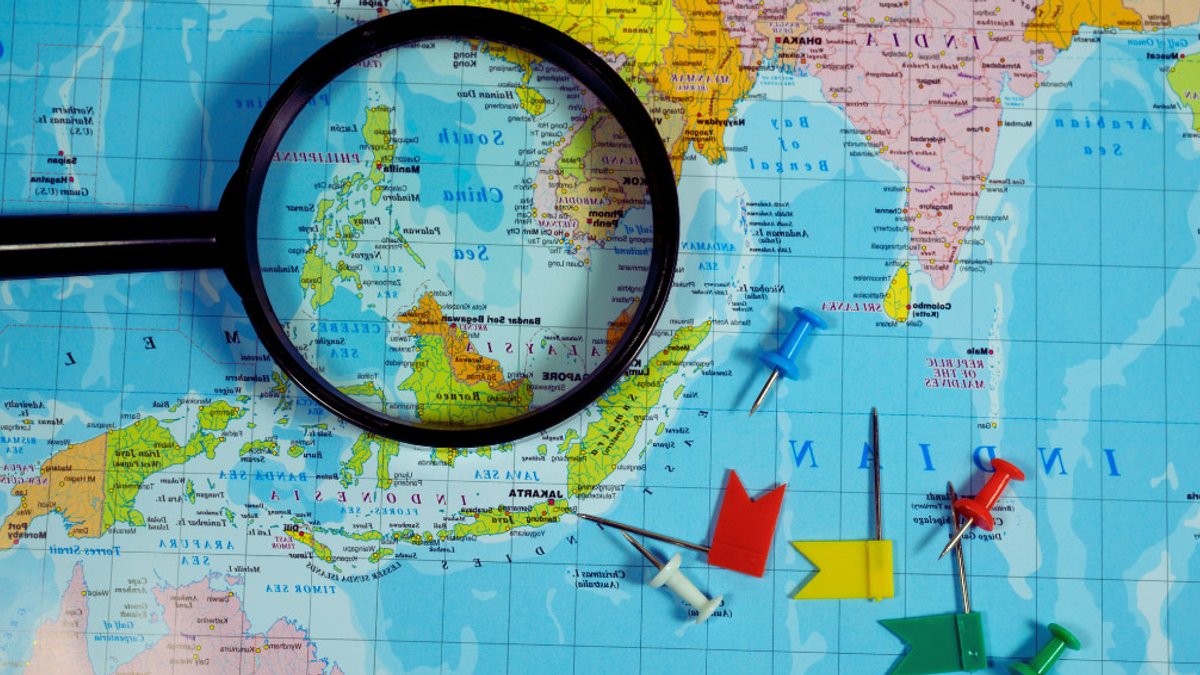
Export markets are reshaping as firms look beyond traditional partners to reduce risk and capture growth, according to recent trade analyses.
Exporters must adapt quickly.
Why diversification matters for exporters
Supply‑chain shifts and heightened geopolitical tension have turned market diversification from a nice‑to‑have into a practical requirement. Companies now prioritize regions where customs processes are streamlined, digital paperwork is accepted, and logistics networks are reliable. Trade agreements that lower tariffs also play a big role, as do nations with expanding consumer bases and industrial sectors. Low political risk is another key factor, because instability can quickly erode profit margins.
Vietnam leads with manufacturing momentum
Vietnam’s economy continues to outpace many of its neighbors, especially in electronics, garments and furniture production. FTSE Russell recently upgraded the country to Secondary Emerging market status, signalling a higher level of market maturity. The OECD notes that easing foreign‑direct‑investment restrictions, upgrading infrastructure and boosting innovation capacity have made Vietnam more business‑friendly. Exporters of machinery, food products and consumer goods find the market approachable for both entry and expansion.
India’s expanding import appetite
India remains a top performer in global trade growth, according to UNCTAD’s trade trends report. Data from NITI Aayog shows rising imports from Latin America and East Africa, reflecting the country’s growing role in supply‑chain diversification strategies like China + 1. Sectors such as machinery, chemicals, electronics and renewable‑energy components are seeing early traction among exporters.
Indonesia’s commodity‑driven demand
Indonesia’s export volume grew 12.7% year over year, driven by palm oil, minerals and rubber, according to Cybex Exim. As these industries expand, the need for imported machinery, equipment and supporting services follows. The ITC Export Potential Map highlights opportunities across a range of goods, backed by ongoing investments in infrastructure, digital systems and industrial diversification.
UAE and Gulf states as re‑export hubs
The United Arab Emirates continues to serve as a logistics gateway for trade between Asia, Africa and Europe. Free‑zone incentives, predictable regulation and strong connectivity support exporters targeting food, construction materials, industrial inputs and green technologies.
Related: Banksharon Nwaneri Spotlighted as Commerce Specialist
Latin America’s high‑potential markets
Brazil and Mexico stand out in UNCTAD data as the region’s strongest importers, trailing only India and China. Brazil’s large infrastructure and energy projects drive demand for machinery, chemicals and renewable‑energy inputs. Mexico benefits from USMCA integration, importing electronics, automotive components and industrial supplies at competitive rates.
East Africa’s growing consumption
Kenya, Tanzania and Ethiopia are emerging as important destinations for exporters, with a cautiously optimistic trade outlook for 2026‑27. The IMF notes rising fuel, fertilizer and shipping costs pressure trade balances, especially for oil‑importing economies. The region’s imports focus on fuel, machinery, vehicles, pharmaceuticals and industrial equipment needed for infrastructure development.
South Korea offers stability and high‑value demand
South Korea’s import profile includes machinery, electronics, automotive parts, food products and medical goods. Its trade outlook for 2026‑27 remains moderately positive, buoyed by strong semiconductor exports linked to global AI demand. Nevertheless, the market is exposed to slowing global growth, rising protectionism and geopolitical uncertainty.
For businesses eyeing these opportunities, the practical next step is to use data tools such as the ITC Export Potential Map and World Bank logistics indicators to confirm market fit. Leveraging free‑trade agreements can improve pricing competitiveness, while a phased entry—starting with a distributor or pilot shipment—helps manage risk. Early compliance planning for certifications, currency handling and political‑risk insurance also smooths the path.
In practice, a mid‑size manufacturer of renewable‑energy components might find Vietnam’s improving infrastructure and Indonesia’s expanding industrial base more immediately accessible than the more regulated Korean market, even though both present long‑term upside.
Overall, the 2026 outlook suggests that Vietnam, India and Indonesia will drive much of the near‑term demand growth, while South Korea, the UAE and parts of Latin America provide stable platforms for diversified export strategies.

Minerals trade offers lessons for exporters abroad


