


Two more broker liability cases now proceeding
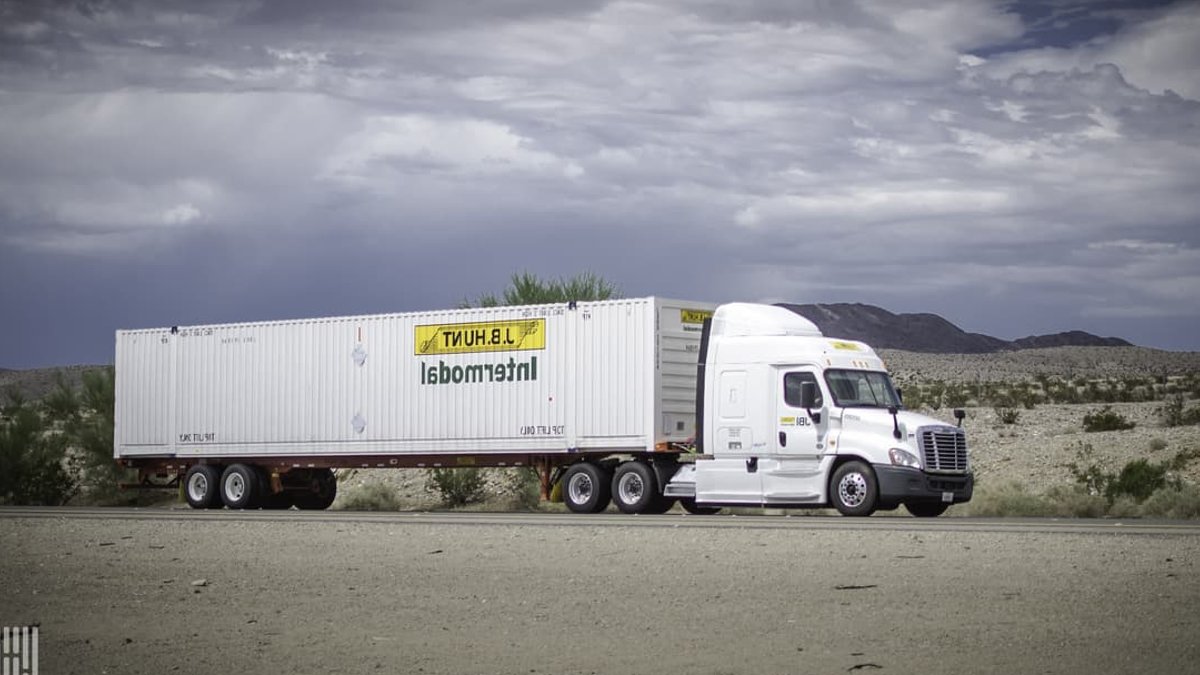
The issue of broker liability is expanding in federal court. Two new cases have joined the litigation following the Supreme Court’s Montgomery decision, which reshaped how third-party logistics providers handle safety and negligence claims.
A federal judge in Arizona is now reviewing J.B. Hunt’s request for summary judgment in a wrongful death lawsuit. The case involves family members of victims killed in a fatal crash last October. They allege J.B. Hunt is liable for the hiring and supervision of the carrier involved, Borderlands.
Plaintiffs argue J.B. Hunt should have known about Borderlands’ history of safety violations and driver incompetence. According to the complaint, the company ignored repeated safety alerts and inspection failures. The lawsuit claims Borderlands had a history of “frequent crashes, and inspection violations, including for improper lane changes, failure to obey traffic control devices, and inability to speak English.”
J.B. Hunt argues that Borderlands acted as the sole motor carrier under their agreement. The company maintains it was acting as a broker and that no basis exists for finding it vicariously liable for the driver’s actions.
Related: Shippers and Brokers Overlook Key Freight Costs
This legal battle differs from the recent $600 million verdict against C.H. Robinson. In that case, the hired carrier had a satisfactory FMCSA rating. The J.B. Hunt case hinges on the question of whether a broker can be held responsible for a carrier’s poor safety record and hiring practices.
Double-brokered loads in Nevada court
A second case unfolding in Nevada involves a fatal crash on a two-lane highway. The case, Hardy vs. Singh, centers on AONE Brokerage Company LLC. It highlights the legal risks associated with double-brokering, where a load is booked by a 3PL, tendered to another carrier, and then sub-brokered again.
In July 2022, a truck driven by Bhupinder Singh crashed into a pickup truck. The freight in that truck had been booked by AONE, then passed to Lucky Transport, and finally to GRK Transport, where Singh worked. One passenger in the pickup truck was killed, and the other was injured.
Judge Anne Traum denied requests for summary judgment from both sides in August. The judge found evidence that AONE breached its duty of care by continuing to do business with Lucky Transport despite knowing the carrier was subcontracting loads. Federal regulations prohibit anyone without a brokerage license from acting as a broker.
Related: EDC Relationship Manager Marc-Andre Beaupre Spotlighted
Plaintiffs argue AONE knowingly put high-risk drivers on the road through this chain of subcontracting. AONE’s defense is that the intervening bad acts of Lucky Transport cut off the chain of causation. Judge Traum was skeptical of this argument, noting that “illegal double brokering can put more high-risk drivers on the road.”
This legal setting reflects a shift in how courts view the safety responsibilities of logistics companies. The Montgomery decision established that brokers are not protected under the Federal Aviation Administration Authorization Act when safety is at issue, effectively removing a major defense for many carriers and brokers in negligence cases.
Logistics providers must handle these complex liability questions. The potential for vicarious liability has increased significantly since the Montgomery ruling.
Shippers and brokers Overlook Key Freight Costs, which can lead to significant financial exposure. [1] AONE Brokerage Company LLC faces scrutiny for its role in a fatal crash involving Bhupinder Singh. [2] EDC Relationship Manager Marc-Andre Beaupre Spotlighted. [3] The case highlights the dangers of double-brokering.


