


In-House Fuel Capabilities Give Partners a Strategic Edge
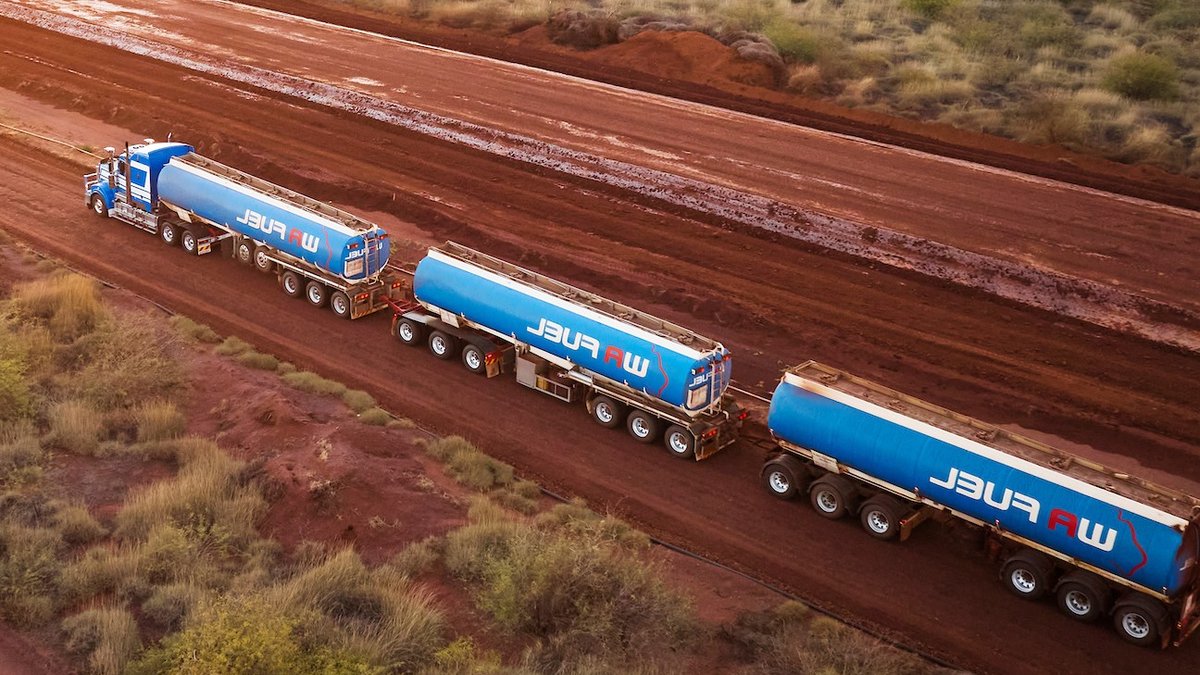
Supply reliability is becoming a deciding factor for businesses in mining, transport, agriculture, and construction. Delayed deliveries or poor communication can quickly disrupt productivity and profitability. Companies in Western Australia and Victoria are shifting focus away from price alone. They are seeking partners who offer stronger operational control and dependable logistics. WA Fuel Supplies is investing in internal capabilities to meet this demand.
Internal Fleet Expansion and Control
Overreliance on third-party transport providers is a common challenge in fuel logistics. Outsourcing large portions of the delivery network often leads to inconsistent service levels. Communication gaps and reduced flexibility during peak demand are frequent issues. WA Fuel Supplies has focused on maintaining extensive internal trucking capabilities to address these problems.
The company purchased five additional prime movers and combinations in 2026. This expansion allows the firm to deliver up to 123kl at any one time using its internal fleet. Having direct control over the vehicles enables faster response times to customer requirements. It also allows for better management of delivery priorities.
Internal logistics provide higher visibility across operations. This approach helps reduce disruptions caused by external freight constraints. It ensures greater consistency for customers operating in regional and remote environments. Safety and environmental standards remain a priority with direct operational oversight. The shift away from outsourced logistics reduces the risk of service interruptions.
While third-party transport still plays a role during periods of exceptional demand, the operational model is designed to minimize reliance on outsourced logistics wherever possible. This gives customers greater confidence in delivery scheduling and communication. It also ensures service continuity during challenging market conditions or supply chain disruptions. For industries where fuel is mission-critical, stronger control over transport logistics can significantly reduce operational risk.
Proactive Scheduling and Infrastructure Support
Reliable fuel supply depends on effective planning as much as it does on trucks on the road. WA Fuel Supplies has strengthened its scheduling team to support more proactive delivery management. The team works closely with customers to forecast usage patterns and monitor tank levels. They coordinate deliveries before supply issues occur.
This proactive approach helps businesses avoid emergency orders and reduce downtime risk. It improves operational planning across multiple sites and projects. Factors such as distance, road conditions, and impending weather events are considered in the planning process. The goal is to keep customers ahead of potential supply gaps rather than reacting to them.
Read Also: Westpac hosts Perth leaders to discuss AI’s role in professional
Fuel infrastructure plays a major role in supply efficiency, especially for businesses in remote or high-consumption environments. The company supports customers with an in-house tank team. This team assists with fuel storage requirements, infrastructure planning, and operational support. Having an internal team dedicated to tank solutions allows for more efficient responses to customer requirements.
Integrated tank support helps customers improve accessibility and fuel management performance. It covers everything from temporary site setups to long-term operational storage solutions. The in-house expertise maintains greater consistency across sites and projects. This infrastructure support is a key component of the broader reliability strategy.
Local Management and Operational Reality
Access to experienced local decision-makers matters in industries where conditions can change quickly. WA Fuel Supplies maintains locally based management teams in Western Australia and Victoria. These teams understand the unique challenges facing businesses in the region. Local management means faster communication and more responsive service.
Stronger customer relationships are built on practical operational understanding rather than remote administration. This local presence provides confidence that support and decision-making remain close to the operational environment. It allows for quicker resolution of issues that arise in the field. The proximity of management to the customer base is a distinct advantage over centralized operations.
The current fuel supply environment requires more than simply delivering product from point A to point B. Businesses need partners that can provide dependable logistics and proactive planning. The integration of internal trucking, scheduling, and tank expertise creates a cohesive operational model. This model is designed to withstand the pressures of volatile market conditions and remote logistical challenges.
Given the increasing complexity of supply chains in remote regions, the move toward internalized logistics may set a new standard for the sector. If the trend continues, other suppliers may need to reconsider their outsourcing strategies to remain competitive. The focus will likely shift further toward direct control and localized decision-making. This could redefine how fuel partners operate across the Western Australian and Victorian markets.
WA Fuel Supplies continues to deliver operational reliability for customers across mining, transport, agriculture, and construction sectors. The company’s investments in internal capabilities are already showing results in service consistency. Customers benefit from a partner that manages the entire supply chain with direct oversight. This approach addresses the core concerns of reliability and responsiveness that drive business decisions today.


